Tile and Grout Deep Cleaning Tips for Austin Bathrooms & Kitchens
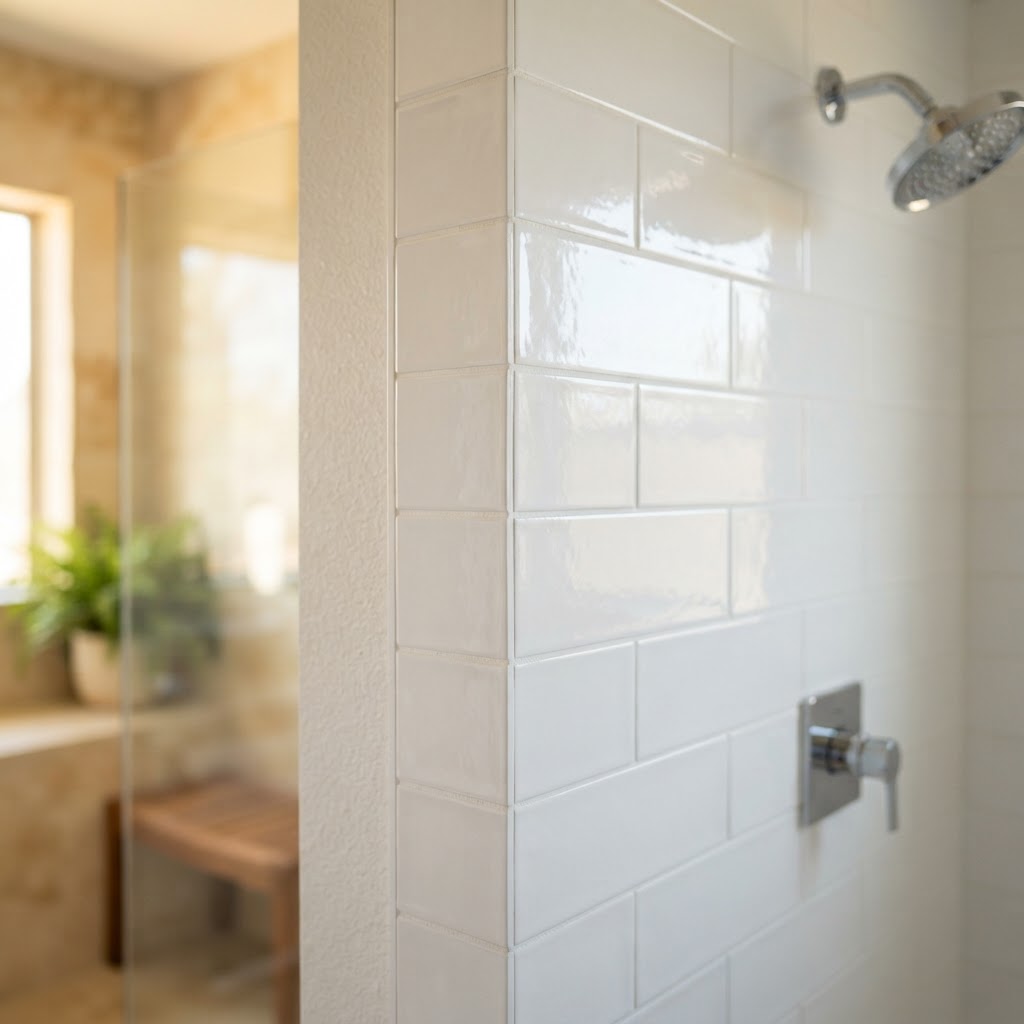
Tile and Grout Deep Cleaning Tips for Austin Bathrooms and Kitchens
If you've lived in Austin for more than a season, you already know the drill: cedar fever coats every surface in yellow-green dust, the Hill Country humidity creeps into every corner, and the notoriously hard water leaves chalky white deposits on anything it touches. Your tile and grout absorb all of it — silently turning from bright white to a dingy gray-brown that no amount of regular mopping seems to fix.
Whether you're in a Brentwood bungalow, a Mueller townhome, or a newer build out in Pflugerville, tile and grout cleaning in Austin is a different beast than in drier, softer-water cities. This guide gives you real, step-by-step instructions to deep clean your tile, restore grout lines, and keep them cleaner longer — plus honest advice on when to call in the pros.
Why Austin Homes Struggle with Dirty Grout
Grout is porous. That's the simple, frustrating truth. Even sealed grout acts like a sponge over time, absorbing:
- Hard water minerals — Austin's water consistently ranks among the hardest in Texas, leaving calcium and magnesium deposits that bond stubbornly to grout and tile glaze.
- Humidity and mold — Central Texas summers push indoor humidity high, especially in bathrooms without exhaust fans. Mold spores love grout's microscopic texture.
- Oak pollen and cedar dust — From February through April, fine particles settle on kitchen floors and bathroom windowsills and get ground into grout during normal foot traffic.
- Cooking grease — Kitchen tile backsplashes near the stovetop trap aerosolized grease that oxidizes into a sticky, yellowish film.
Understanding why your grout gets dirty helps you pick the right cleaning method and the right maintenance routine.
What You'll Need Before You Start
Tools
- Stiff-bristle grout brush (a repurposed electric toothbrush works great for tight lines)
- Microfiber mop or flat mop
- Spray bottles
- Old toothbrush for corners
- Bucket
- Knee pads (your future self will thank you)
Cleaning Agents
- Baking soda — gentle abrasive, deodorizer
- White distilled vinegar — dissolves mineral deposits (avoid on natural stone like marble or travertine)
- Hydrogen peroxide (3%) — brightens grout, kills mold spores
- Dish soap — cuts grease on kitchen backsplashes
- Oxygen bleach powder (like OxiClean) — safest bleach alternative for colored grout
- pH-neutral tile cleaner — for sealed natural stone
If you prefer greener options, check out our post on Eco-Friendly Cleaning Products That Actually Work (Austin Edition) for locally available alternatives that skip the harsh chemicals.
Ready for a Spotless Home?
Get an instant online quote. Insured, eco-friendly, and trusted by Austin homeowners.
Step-by-Step: Deep Cleaning Bathroom Tile and Grout
Step 1: Dry-Sweep or Vacuum First
Always start dry. Sweep or vacuum loose debris, hair, and dust before introducing any liquid. Wet debris turns into muddy paste that smears into grout lines.
Step 2: Apply Your Cleaning Paste
Mix ½ cup baking soda with enough hydrogen peroxide to form a thick paste — roughly 2–3 tablespoons. Apply directly to grout lines using your grout brush or an old toothbrush. Let it sit for 10–15 minutes. The fizzing action lifts embedded grime without scratching tile glaze.
Step 3: Scrub the Grout Lines
Using firm, circular strokes, scrub each grout line. Work in small sections (about 2 square feet at a time) so the paste doesn't dry out before you scrub. For heavily stained grout — common in older South Austin or East Austin homes with decades of buildup — you may need two passes.
Step 4: Tackle the Tile Surface
Spray the tile face with a 1:1 solution of white vinegar and water. Let it dwell for 5 minutes, then wipe with a damp microfiber cloth. Do not use vinegar on marble, travertine, or limestone tile — the acid etches the surface. For natural stone, use a pH-neutral stone cleaner instead.
Step 5: Rinse Thoroughly
Rinse with clean warm water, working top to bottom on walls and back to front on floors. Leaving residue behind attracts new dirt faster.
Step 6: Dry the Surface
This step is non-negotiable in Austin's humidity. Wipe tile walls with a dry microfiber cloth and run the exhaust fan (or open a window) for at least 30 minutes. Moisture left sitting in grout lines is an open invitation for mold — especially during May through September.
Step-by-Step: Deep Cleaning Kitchen Tile Backsplash and Floor
Kitchen grime is greasier and stickier than bathroom grime. The approach is slightly different.
For the Backsplash
- Mix a few drops of dish soap into warm water in a spray bottle.
- Spray the backsplash generously and let it sit for 5 minutes.
- Scrub with a non-scratch scrub pad or brush — paying close attention to the grout lines near the stovetop where grease concentrates.
- For stubborn yellowed grout near burners, apply a baking soda paste, let sit 15 minutes, then scrub.
- Wipe clean with a damp microfiber cloth, then dry.
For Kitchen Floor Tile
- Sweep or vacuum thoroughly.
- Mix ½ cup oxygen bleach powder (OxiClean or similar) into 1 gallon warm water. Stir until dissolved.
- Apply to the floor and let dwell for 5–10 minutes — don't let it dry.
- Scrub grout lines with a stiff brush or a drill attachment brush for large areas.
- Mop up with clean water. Repeat rinse once.
- Allow to dry fully before foot traffic.
Oxygen bleach is safe for colored grout (unlike chlorine bleach, which can discolor) and effective against the grease-plus-mineral combo that Austin's hard water creates on kitchen floors.
Hard Water Stains: An Austin-Specific Problem
If your tile has white, chalky buildup around faucets, along the shower floor, or near the dishwasher splash zone, that's calcium and magnesium scale — the signature of Austin's hard water.
To remove it:
- Soak a cloth in undiluted white vinegar and press it against the deposit for 20–30 minutes.
- Scrub with a non-scratch pad.
- For heavy buildup, use a commercial descaler like CLR — follow label directions carefully and rinse well.
Prevention is easier than cure. A simple squeegee habit after every shower can dramatically reduce hard water buildup in Austin homes. Takes 30 seconds, saves hours of scrubbing.
Sealing Grout: The Step Most Austin Homeowners Skip
Once your grout is clean and fully dry (give it 24 hours), apply a penetrating grout sealer. This is especially important in Austin because:
- Hard water minerals penetrate unsealed grout faster
- Humidity-driven mold growth slows significantly in sealed grout
- Oak pollen and cedar dust don't embed as deeply
Apply sealer with a small foam brush or applicator bottle directly on grout lines. Wipe excess off tile faces within 5–10 minutes. Most sealers need 24–48 hours to cure. Reapply every 1–2 years in high-traffic areas.
Quick Tips: 7 Ways to Keep Grout Cleaner Longer
- Squeegee shower walls after every use — cuts mineral deposit buildup by up to 75%.
- Run the exhaust fan during and 20 minutes after every shower — reduces humidity that feeds mold.
- Weekly spray-and-wipe — a quick spritz of diluted vinegar solution on shower tile weekly prevents soap scum from hardening.
- Use a grout-friendly floor mat — rubber-backed mats trap moisture against tile; choose fabric mats that allow airflow.
- Change HVAC filters regularly — especially during cedar and oak pollen season. Less airborne particulate means less settling into grout. See our Austin Allergy Guide: Reducing Dust Mites and Pollen Indoors for more on this.
- Re-seal grout after any deep clean — every deep clean strips some of the old sealer.
- Address mold spots immediately — a small hydrogen peroxide application on a new mold spot takes 2 minutes. Waiting until it spreads takes 2 hours.
When to Call a Professional for Tile and Grout Cleaning
Some situations are genuinely beyond what DIY can fix:
- Deeply stained or crumbling grout that needs removal and regrouting
- Mold embedded below the tile surface (common in older Tarrytown or Hyde Park homes with original tilework)
- Large floor areas — doing 400 sq ft of kitchen and bathroom tile by hand is a full day of hard labor
- Natural stone that requires specialized pH-neutral products and professional-grade equipment
- Move-out situations where landlords require professionally cleaned tile — see our Move-Out Cleaning Checklist for Austin Renters for what's typically expected.
Professional tile cleaning services use hot-water extraction or rotary scrubbing machines that reach temperatures and pressures no consumer tool can match. If your grout hasn't responded to two good DIY attempts, it's time. For a sense of what professional cleaning costs in Austin, check out our 2026 Austin house cleaning pricing guide.
If you're scheduling a full deep clean, reading Deep Cleaning vs. Regular Cleaning: What Austin Homes Really Need will help you understand exactly what to ask for.
FAQ
Q: How often should I deep clean tile and grout in an Austin home? A: Most Austin bathrooms benefit from a grout deep clean every 3–4 months due to hard water and humidity. Kitchen floors and backsplashes should be deep cleaned every 2–3 months, especially near cooking areas.
Q: Is vinegar safe for all tile and grout? A: No. White vinegar works well on ceramic and porcelain tile, but it etches and damages natural stone (marble, travertine, limestone, slate). For stone tile, always use a pH-neutral cleaner.
Q: What's the best way to remove black mold from grout in Austin? A: Apply 3% hydrogen peroxide directly to the affected grout, let sit 10 minutes, then scrub with a stiff brush. For persistent mold, an oxygen bleach solution is more effective. Improve bathroom ventilation to prevent recurrence.
Q: How do I know if my grout is sealed? A: Drop a few drops of water onto the grout line. If the water beads up, the sealer is intact. If it absorbs within a minute, the grout needs resealing.
Q: Can I use a steam cleaner on bathroom tile? A: Yes — steam cleaners work well on ceramic and porcelain tile and are excellent at killing mold spores without chemicals. Avoid using steam on natural stone or on grout that's cracking, as heat can worsen existing damage.
Q: Why does my Austin bathroom grout keep turning orange or pink? A: That pink or orange tint is typically Serratia marcescens, a bacteria (not mold) that thrives in humid bathrooms. Clean it with hydrogen peroxide or an oxygen bleach solution, and reduce humidity with better ventilation.
Ready for a Spotless Home?
Sometimes the best tile and grout cleaning tip is knowing when to hand it off. Vicky's House Cleaning is a professional, insured cleaning service based right here in Austin, serving Manor, Round Rock, Pflugerville, Cedar Park, Georgetown, Leander, West Lake Hills, Lakeway, Bee Cave, and all surrounding areas.
Our deep cleaning services include bathroom and kitchen tile scrubbing, grout cleaning, and full home refreshes — handled by a reliable, background-checked team that knows Austin homes inside and out.
✅ Instant online quotes — no phone tag required ✅ Fully insured for your peace of mind ✅ Same-day availability on select dates
👉 Book your deep clean or get a free quote today at https://house-cleaning-services-austin-tx.base44.app
Your tile deserves better than gray. Let's fix that.
Vicky
Founder & Lead Cleaner · Vicky's House Cleaning
Vicky has personally cleaned and overseen thousands of homes across Austin since 2008. She built her business on a simple promise: treat every home like her own, use only safe eco-friendly products, and never leave until the client is 100% satisfied. She personally guarantees every clean.
Ready for a Spotless Home?
Let Vicky's House Cleaning handle the cleaning so you can enjoy your free time. Get an instant quote online.
Book Your Cleaning